Introduction to Real Estate ROI
Investing in real estate provides an opportunity to grow wealth through property appreciation, rental income, or a combination of both. For individuals seeking long-term financial stability, understanding the concept of return on investment (ROI) is essential. ROI in real estate evaluates the profitability of an investment by comparing the costs associated with the property to the income it generates. This metric helps investors assess whether a property is worth pursuing and serves as a benchmark for comparing multiple investment options.
While real estate is often seen as a safer investment compared to other asset classes, its success hinges on the right approach. Factors such as location, timing, and property type all contribute to an investor’s ability to achieve strong returns. For example, purchasing properties in areas experiencing economic or population growth can lead to higher rental demand and increased property values. Additionally, leveraging strategies such as flipping undervalued properties or generating income from vacation rentals can further boost profitability.

Another key consideration when evaluating ROI is the impact of financing and operational costs. Expenses such as property taxes, maintenance, and interest on loans can quickly add up and affect your overall returns. This is why potential investors are encouraged to calculate projected costs thoroughly before committing to any deal.
Real estate ROI is not solely determined by market trends; the investor’s ability to make strategic choices also plays a significant role. By focusing on properties that align with their financial goals and conducting thorough research into market conditions, investors can position themselves for success in an ever-changing industry. Understanding how to analyze ROI is one of the first steps in navigating the competitive world of real estate investment.
Factors Influencing ROI in Real Estate
Several key elements can significantly affect the ROI of a real estate investment. One of the most important factors is location. Areas with strong job markets, quality schools, and proximity to amenities such as shopping centers, parks, and public transportation typically see higher demand, which can lead to increased property values and rental income. Properties in growing metropolitan areas or regions undergoing redevelopment often present better opportunities for high returns compared to stagnant or declining markets.
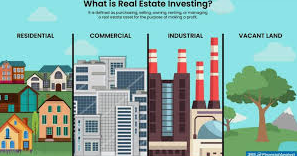
Property type also plays a major role in determining ROI. Residential properties, such as single-family homes, multifamily units, and condos, often cater to different types of tenants and investors. On the other hand, commercial properties, including retail spaces and office buildings, may yield higher returns but can carry greater risk and demand more upfront capital. The type of property you choose should align with your financial goals and risk tolerance.

Additionally, market conditions, such as supply and demand dynamics, influence ROI. A housing shortage in a specific area can drive up both property values and rental rates, while an oversaturated market may create challenges in securing tenants or buyers. Seasonal trends may also impact demand, particularly for vacation homes or properties in tourist-heavy regions.
Economic indicators, including interest rates, inflation, and employment trends, can further shape ROI. Low-interest rates generally make financing more affordable, increasing purchasing power for investors. Conversely, rising interest rates or economic downturns may affect the market’s profitability.
Lastly, the condition of the property itself impacts returns. Properties that require significant renovations or ongoing maintenance may reduce profitability if costs exceed projections. On the other hand, a well-maintained property can attract higher-quality tenants and reduce long-term expenses, contributing positively to ROI.
Top U.S. States for Real Estate Investment
When determining the best states for real estate investment, factors such as population growth, job availability, and housing demand play a significant role in shaping opportunities. States with expanding economies and increasing migration trends tend to provide a stronger foundation for real estate profitability.
Texas remains one of the most appealing options for investors due to its rapid economic expansion and substantial population growth in cities like Austin, Dallas, and Houston. The state’s absence of income tax and relatively lower property costs also make it attractive for those looking to achieve favorable returns. Florida is another standout state, benefiting from its status as a popular destination for both residents and tourists. With cities such as Miami, Orlando, and Tampa witnessing ongoing real estate development, Florida offers a unique mix of opportunities for both long-term rentals and vacation properties.
Other notable states include North Carolina and Tennessee. North Carolina’s cities, such as Raleigh and Charlotte, are experiencing growing demand due to an influx of businesses and job seekers, creating opportunities for both residential and commercial investments. Tennessee, particularly in Nashville, has seen a surge in population and economic activity, making it a hotspot for those looking to enter the real estate market. Both states offer competitive property prices compared to national averages, allowing investors to tap into markets with high potential.
Additionally, Arizona and Nevada present strong options, particularly for those interested in regions with warmer climates. Arizona’s cities like Phoenix and Tucson benefit from consistent population growth and rising rental demand, while Nevada’s lack of state income tax and the booming housing market in areas such as Las Vegas provide additional incentives for investors.
Analyzing metrics such as job creation, infrastructure development, and housing affordability in these states can help guide investors toward opportunities that align with their financial objectives.
State-by-State Analysis
State 1: Texas – Texas stands out for its economic diversity and significant population increases, particularly in cities like Austin, Dallas, and Houston. These areas have seen substantial job growth, attracting businesses and residents alike. Affordable property prices and high rental demand make Texas a solid choice for both residential and commercial investments. Additionally, the state’s landlord-friendly regulations enhance its appeal for investors.
State 2: Florida – Florida offers a unique blend of opportunities due to its tourism-driven economy and growing population. Cities such as Miami and Orlando have thriving real estate markets, with high demand for both vacation properties and long-term rentals. Tampa, in particular, has gained attention for its relatively affordable housing options and increasing economic activity, which create favorable conditions for investment.
State 3: North Carolina – With cities like Raleigh and Charlotte emerging as business hubs, North Carolina presents promising opportunities for investors. The influx of companies and skilled workers has driven housing demand, creating a favorable environment for long-term rental properties. The state’s relatively low cost of living compared to national averages also attracts new residents, further fueling market growth.

State 4: Tennessee – Nashville’s rise as an economic and cultural center has positioned Tennessee as an attractive option for real estate investment. The city’s robust job market, combined with increasing population growth, has heightened demand for housing. Tennessee’s overall affordability and strong rental market make it a viable choice for investors seeking competitive returns.
State 5: Arizona – Arizona, especially cities like Phoenix and Tucson, continues to experience consistent population growth and rental demand. The state’s warm climate and lower cost of living appeal to retirees, remote workers, and families alike. Additionally, ongoing infrastructure and economic development in these areas contribute to long-term investment potential.
State 6: Nevada – Nevada’s lack of state income tax and its thriving real estate markets, particularly in Las Vegas, create strong opportunities for investors. High migration rates and a growing tourism industry further enhance its appeal.
Strategies for Maximizing ROI
When aiming to boost ROI in real estate, one of the first steps is to evaluate local market trends and property conditions. Look for markets experiencing growth in employment opportunities and population, as these often translate to higher demand for housing. Targeting properties that are priced below market value can provide a competitive edge, especially if they require minimal repairs to increase value quickly.
In addition to choosing the right location, leveraging financing options wisely can improve profitability. Compare different loan products and aim for those with favorable interest rates and terms to reduce long-term expenses. Some investors also explore creative financing solutions, such as partnerships or seller financing, to minimize upfront costs while maintaining cash flow.
Effective property management is critical for maintaining and increasing ROI. Whether you choose to oversee operations personally or hire professional property managers, ensure that tenants’ needs are addressed promptly to minimize turnover. Reducing vacancies and maintaining a well-kept property are key drivers of profitability.

For those with multiple properties or larger portfolios, implementing technology tools such as property management software can streamline processes like rent collection, expense tracking, and tenant communication. This not only saves time but also helps optimize operational efficiency.
Another way to maximize returns is by strategically enhancing the property’s value through targeted improvements. Focus on upgrades that have the highest impact, such as energy-efficient appliances, modernized kitchens, or curb appeal enhancements, to attract quality tenants or buyers willing to pay premium rates.
Lastly, consider diversifying your investment strategy to include different property types or markets. This reduces dependency on a single revenue source and spreads risk across a wider range of assets. With careful planning and strategic execution, these practices can significantly amplify your returns while minimizing potential setbacks.
Potential Risks and Considerations
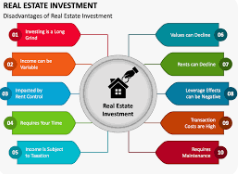
Real estate investing, while often rewarding, carries its share of challenges. Market conditions can shift unexpectedly, impacting property values and rental demand. For instance, changes in local employment rates or economic slowdowns can lead to decreased tenant interest or lower property prices. Natural disasters, such as hurricanes, floods, or wildfires, pose another significant risk, particularly in areas prone to these events. It’s essential to account for potential costs related to insurance or property damage when selecting an investment location.
Regulatory changes can also introduce complications. Rent control measures, zoning restrictions, or updated landlord-tenant laws may affect rental income or operational flexibility. For investors relying on financing, fluctuations in interest rates can impact mortgage expenses and reduce profit margins. Overleveraging can further exacerbate risks, especially if rental income doesn’t cover costs.

Managing properties can present additional challenges. Tenant turnover, unexpected maintenance, and property vacancies can increase operational expenses, reducing overall profitability. Properties requiring extensive repairs may lead to unplanned financial strain if costs exceed initial estimates.
External factors, such as shifts in housing demand or regional population trends, should also be monitored closely. For instance, areas experiencing out-migration may face declining property values or longer vacancy periods, reducing an investor’s returns. Staying informed and conducting due diligence helps mitigate these risks.
Understanding your risk tolerance and establishing contingency plans, such as maintaining an emergency fund for repairs or market downturns, can help ensure long-term financial stability.
Conclusion
Real estate investment can be a rewarding endeavor when approached with a well-informed strategy and clear financial objectives. By focusing on markets with strong economic fundamentals and population growth, investors can position themselves to achieve greater returns. Evaluating factors such as location, property type, and local market trends is essential in identifying opportunities that align with your goals.
Carefully considering financing options and operational expenses is equally important in maximizing profitability. Whether you’re pursuing residential or commercial investments, maintaining a clear understanding of projected costs ensures better decision-making and helps safeguard your returns. Strategic improvements to properties and effective management can further enhance income potential while minimizing challenges like vacancies or maintenance issues.
While no investment is without risks, being proactive in assessing potential obstacles—such as market fluctuations or regulatory changes—can help mitigate their impact. Successful investors remain adaptable, continually monitoring market conditions and adjusting their strategies as needed to stay ahead of industry trends. By doing so, they not only protect their investments but also uncover new opportunities for growth.
Diversification can also play a critical role in strengthening your portfolio. Exploring different property types or expanding into various regions allows you to balance risk and capitalize on a wider range of income streams. Combining this with detailed research and a long-term perspective can lead to sustainable success in the real estate sector.
Ultimately, the key to thriving as a real estate investor lies in preparation, adaptability, and a commitment to ongoing learning. By approaching each investment with diligence and a willingness to evolve with the market, you can build a robust portfolio that delivers consistent returns. Real estate remains a dynamic industry, offering substantial opportunities for those who are prepared to seize them.